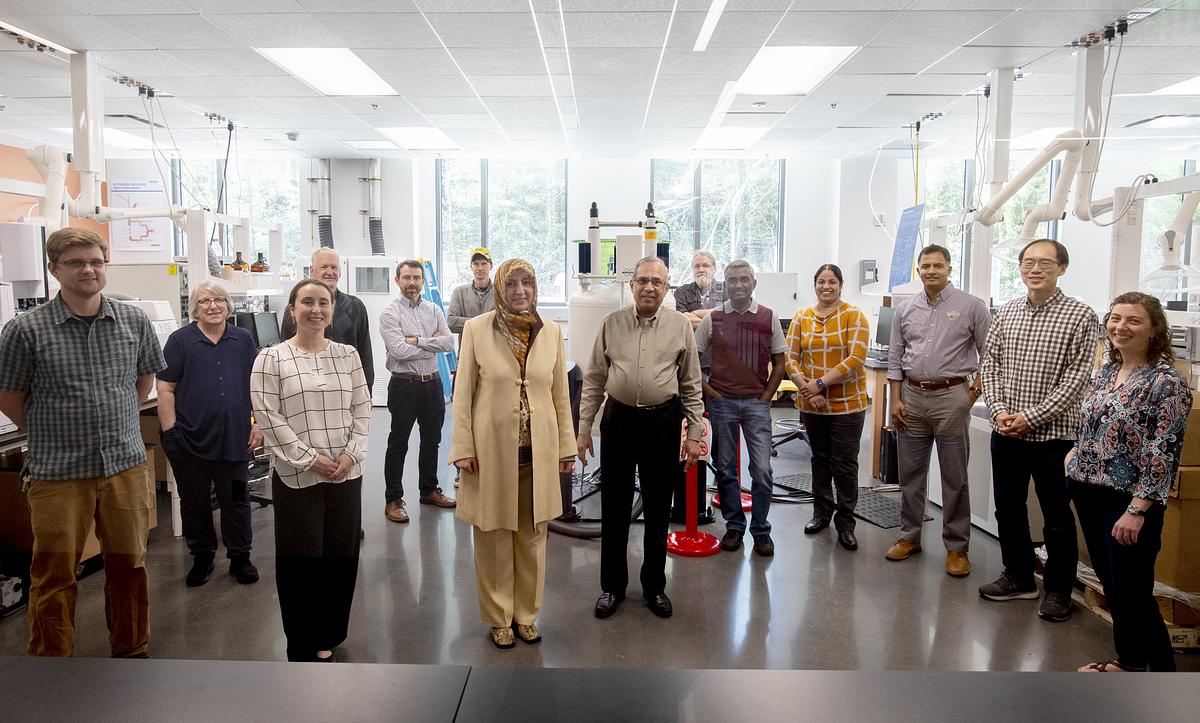
Welcome to the Department of Chemistry and Physics. Our academic programs in Chemistry, Physics, Forensic Science, or Environmental Science enable undergraduate and graduate students to work with expert faculty and staff in a collaborative learning environment and offers the opportunity to participate in faculty-directed research using state-of-the-art instruments and facilities. Students completing our degree programs are successful in gaining admission to graduate school as well as securing post-graduation employment with government agencies and private industries. Our curriculum, small class size and hands-on approach to learning is both stimulating and challenging.

As a member of the department, you’ll gain a firm foundation through coursework as well as the scientific training and research experience necessary for employment or graduate education. Browse our majors and minors below to find out which one fits your skills and interests.
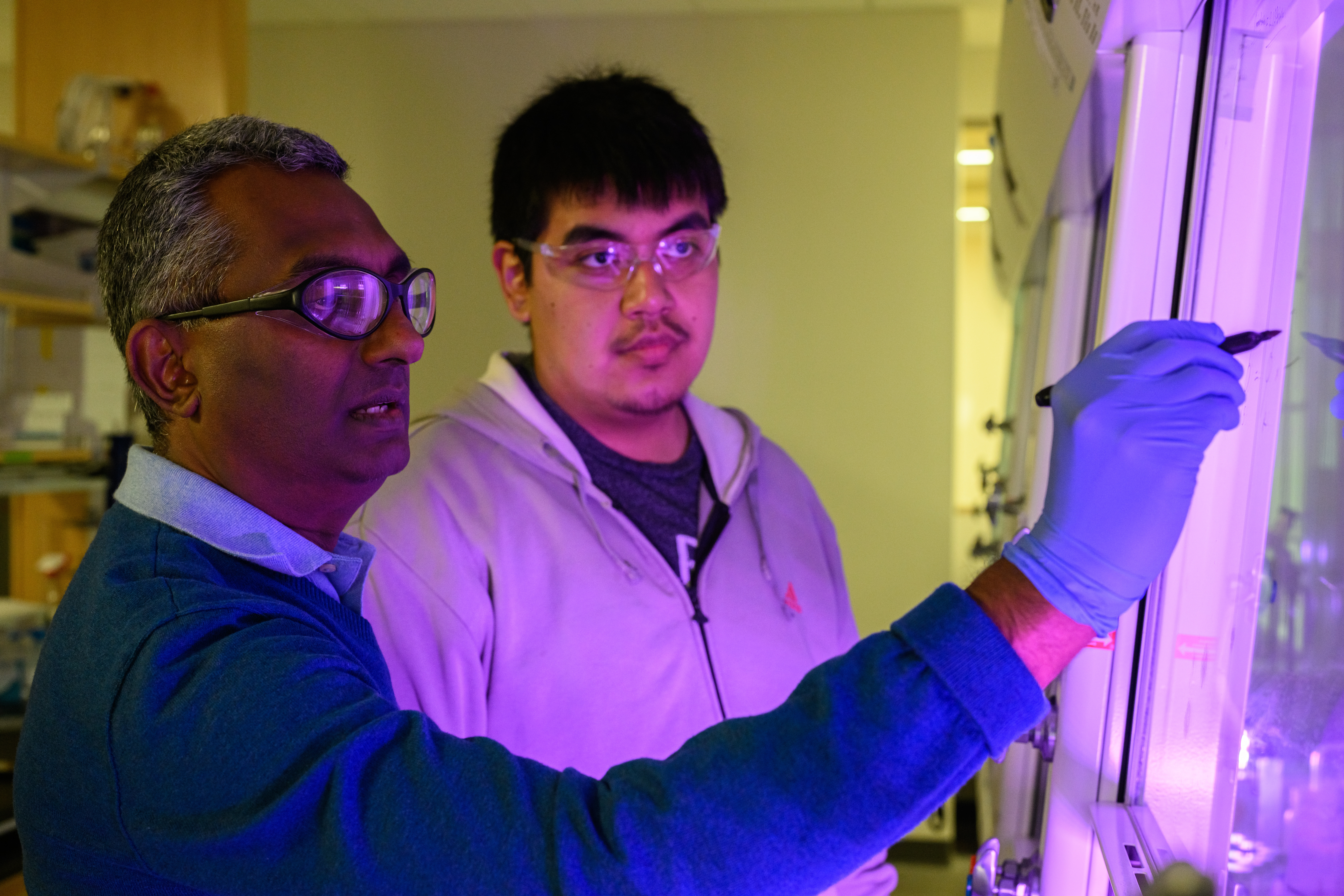
Poster image of Elvis Perez Galarza with Live Western title and a quote

Elvis Perez Galarza

Academic Programs
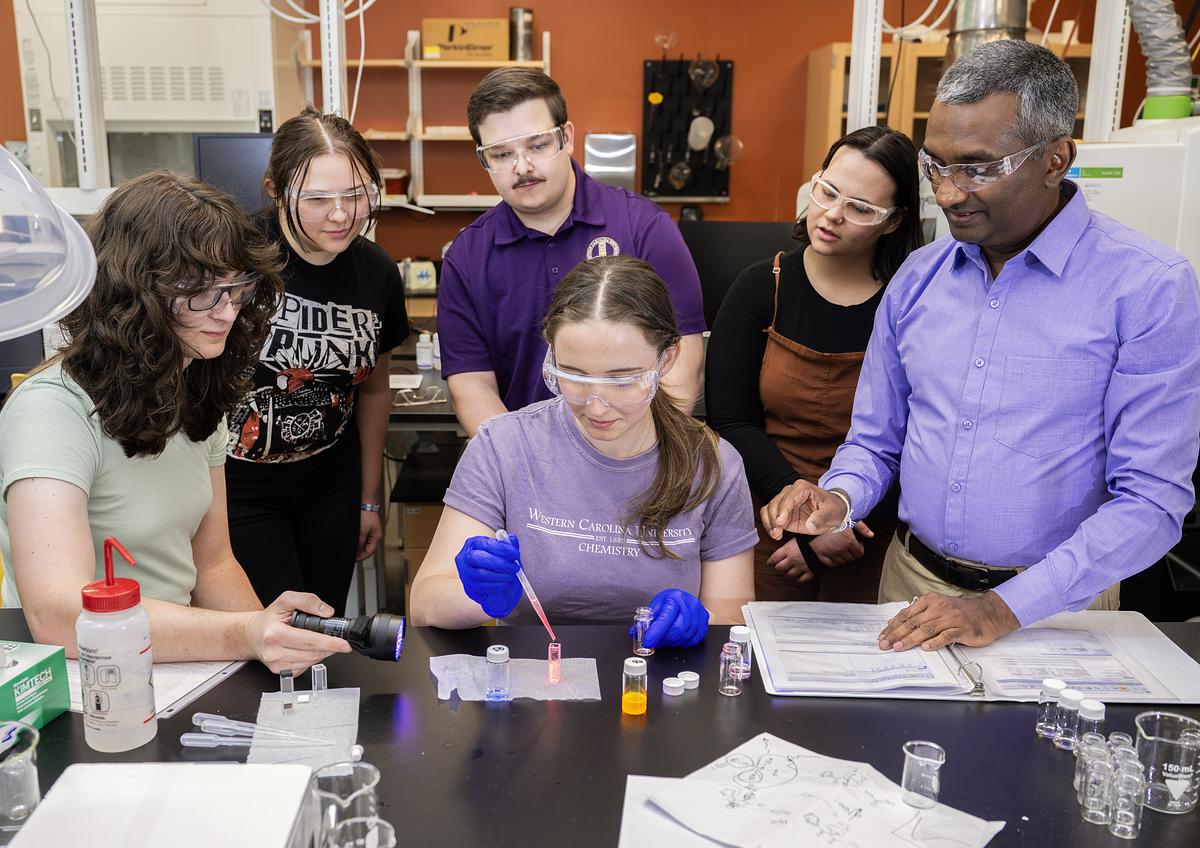
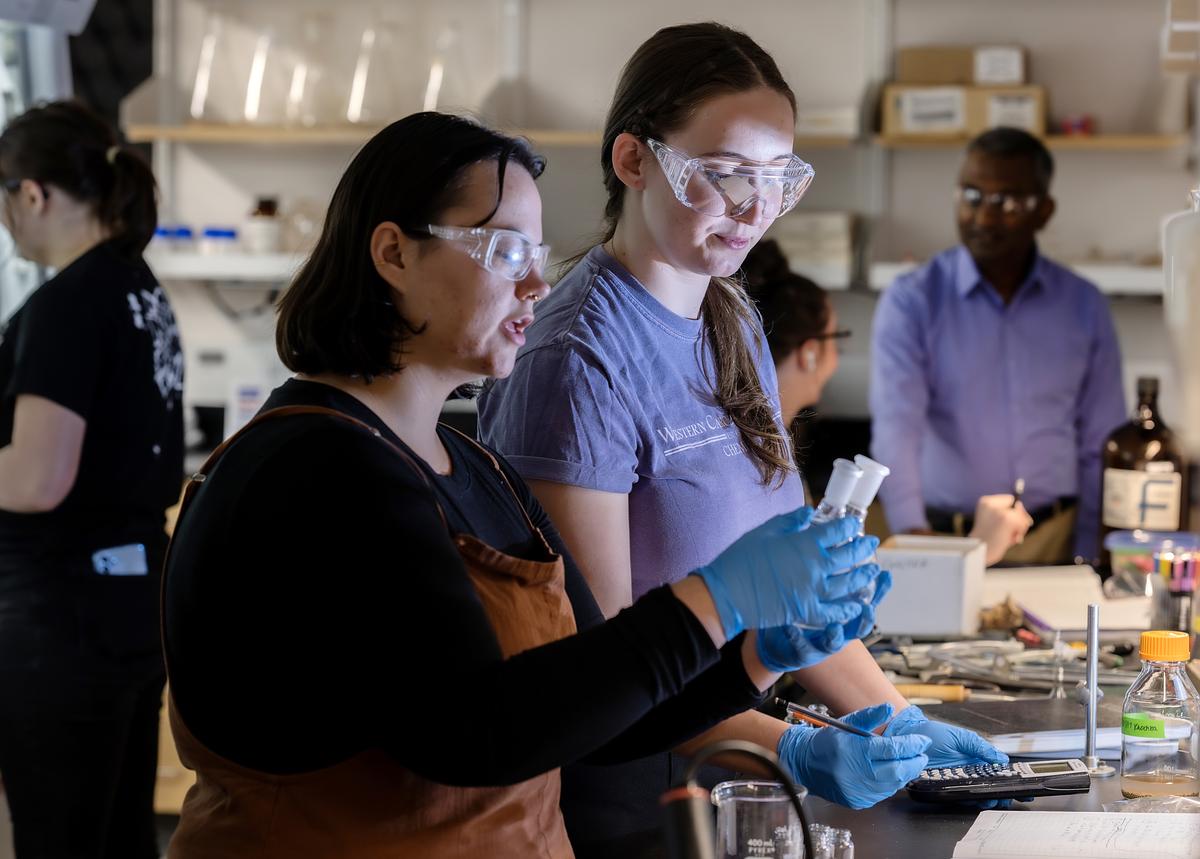
Professor Channa de Silva working with a group of students in a lab

Chemistry is often called the 'central science' that connects physics, biology, engineering, and medicine.  A chemistry degree will help you gain a better understanding of our world at the molecular level and how we can develop new materials that improve and advance our society. 

Within the chemistry program you can choose a standard, comprehensive degree or one with a concentration that matches your goals and interests.  You may also choose to get both your B.S. and M.S. degree through our unique Accelerated B.S./M.S. (ABM) Track!
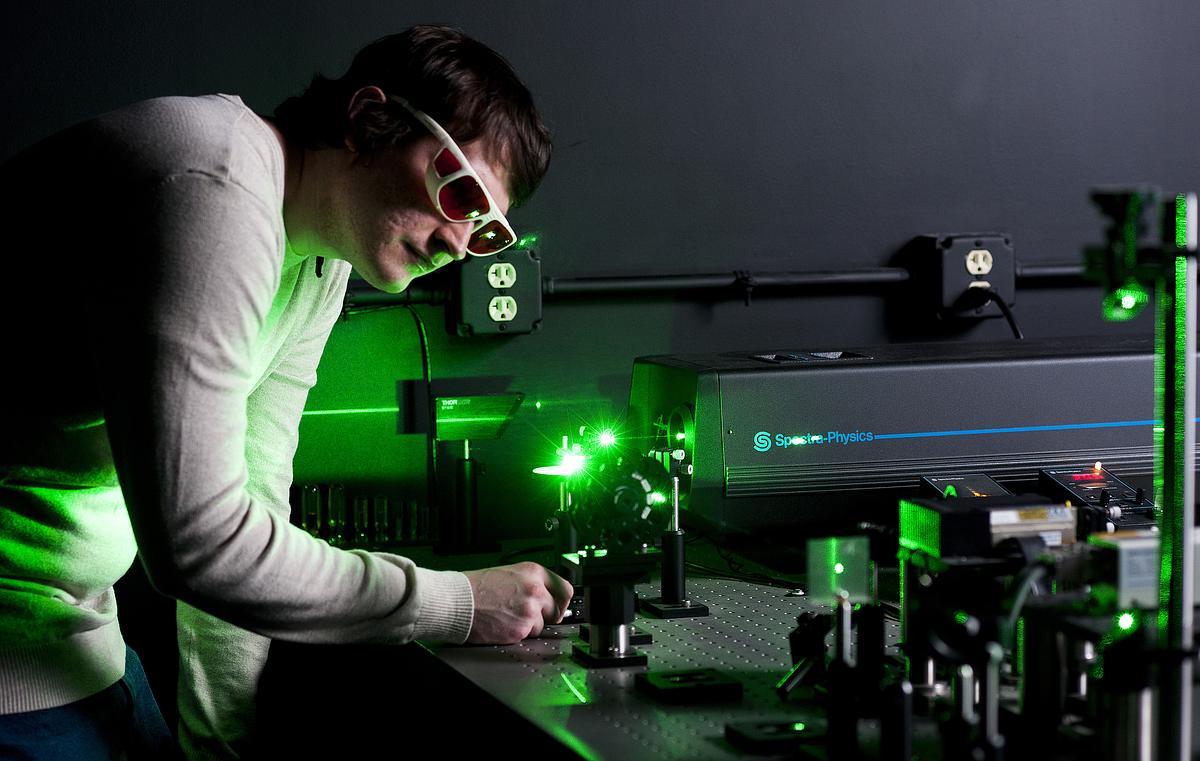
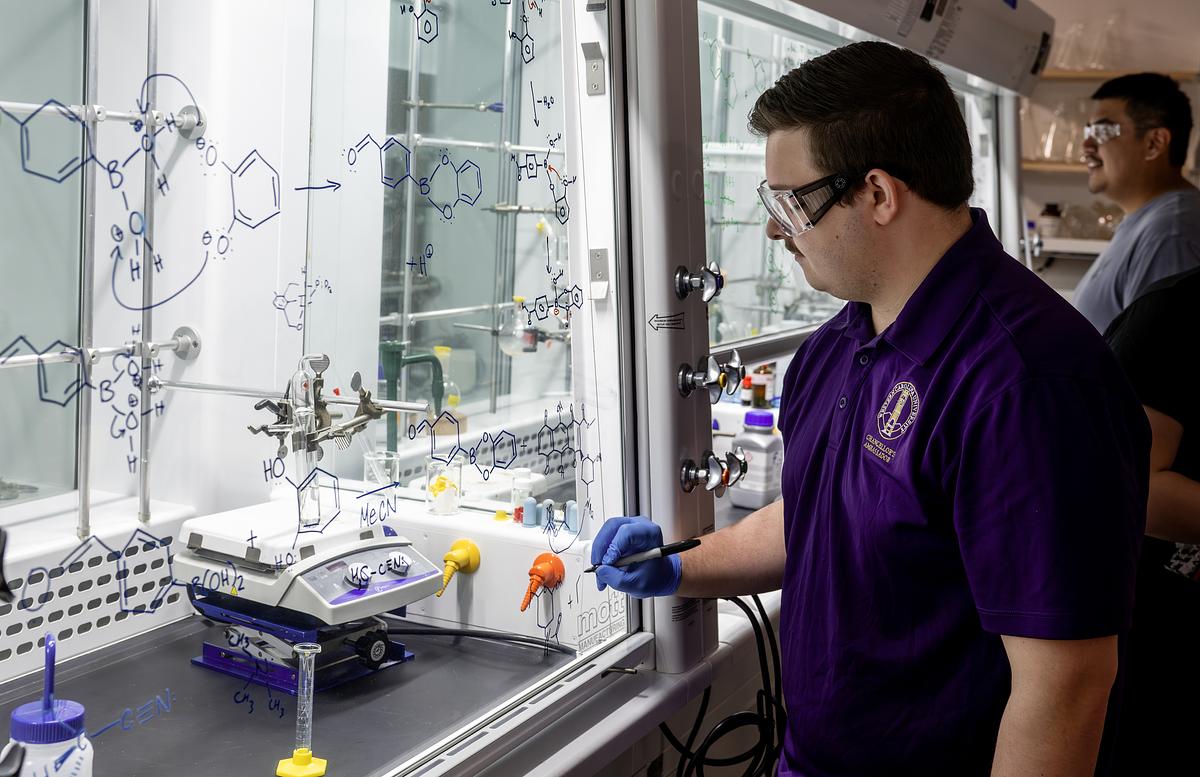
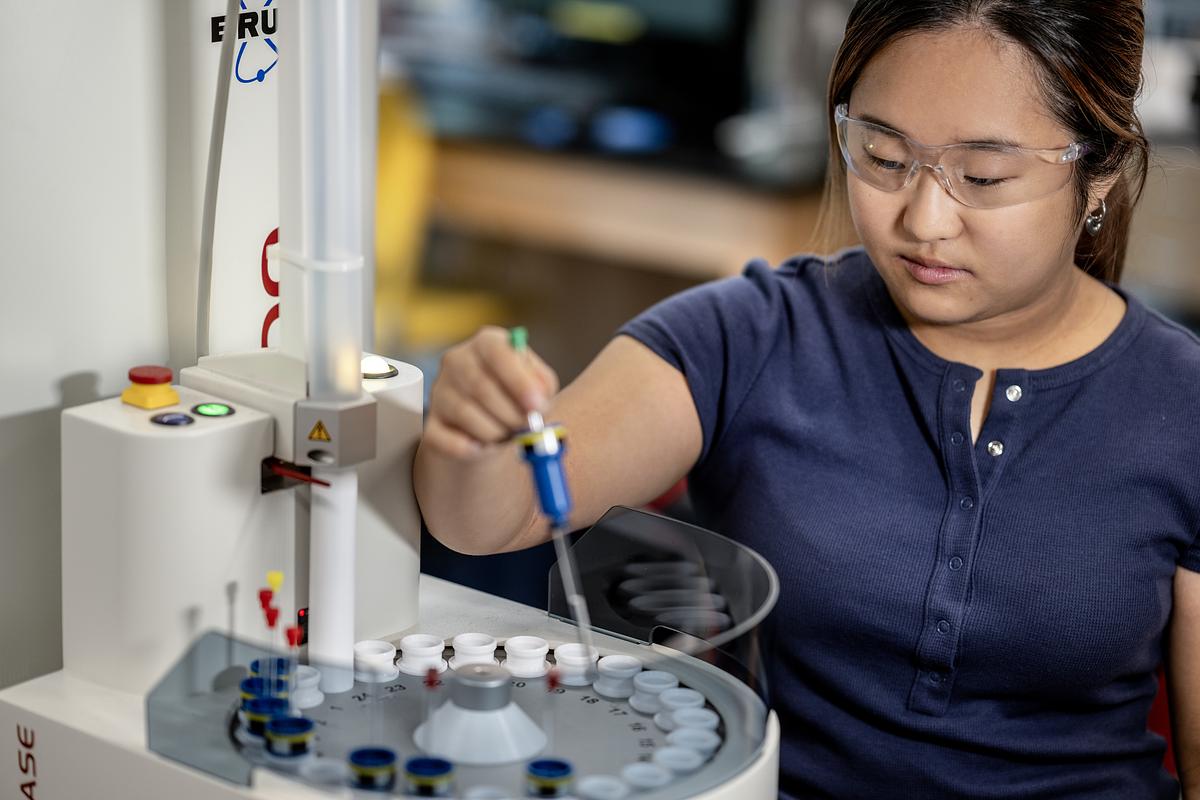
Chemistry student wearing protective eyewear working in the laser laboratory
Work one-on-one with a faculty member on an original research project while delving deeper into the fundamentals of chemistry in graduate-level coursework.   The M.S. in chemistry can serve to open new industrial opportunities or prepare you for professional or further graduate studies.
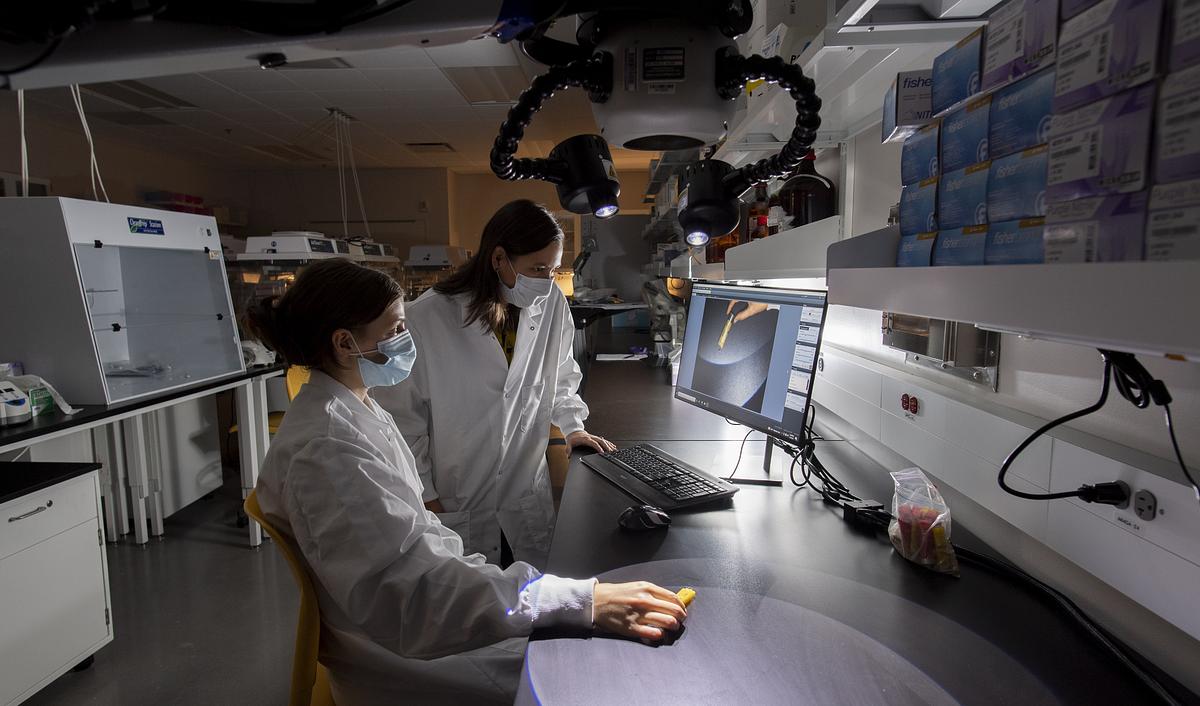
Forensic science students working in a lab together observing an item displayed on a monitor
The forensic science program will teach you to apply scientific methodology to determine facts of legal significance.
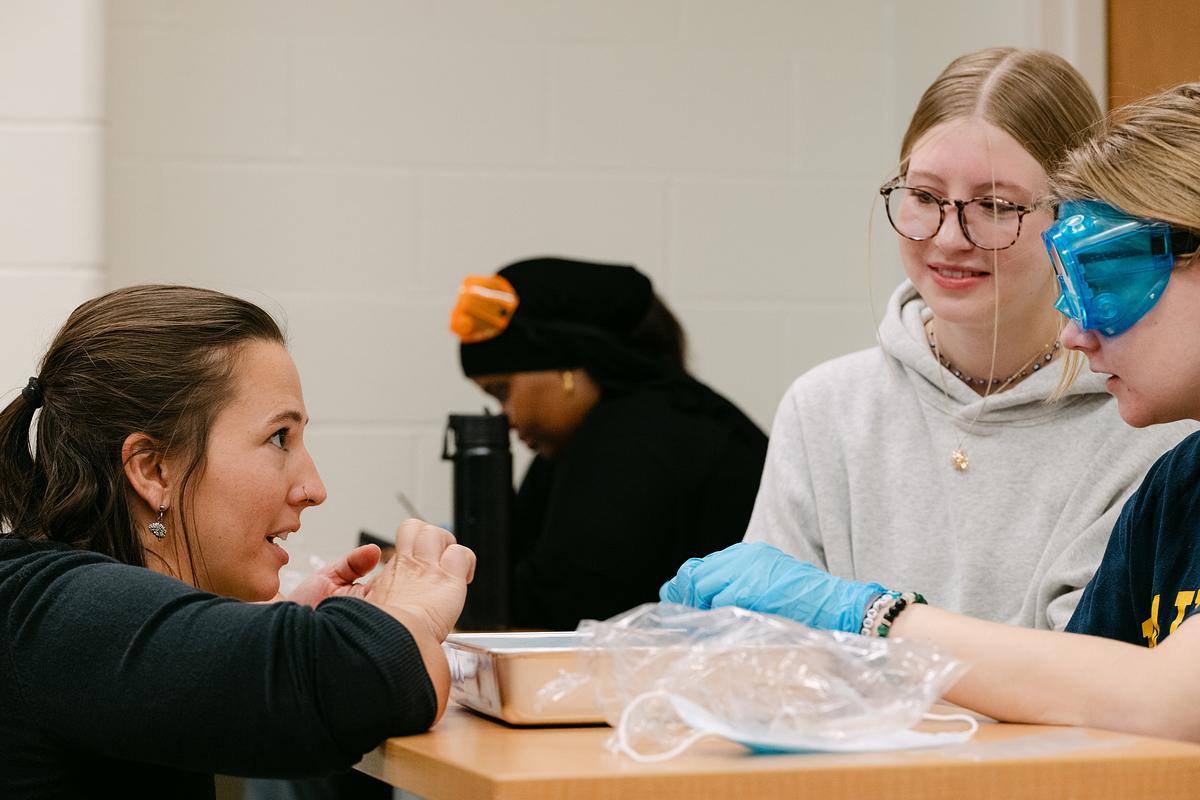
A professor leaning over a desk helping students dissect a brain in a Neuroscience class
If your career goal is to teach at the high school level, you can pursue an education degree with a concentration in either Chemistry or Physics.

Stellarium

Stellarium is an open-source astronomy simulation program (both Mac and PC) that can create a virtual view of the sky from any point and time on earth. It is an excellent tool for learning how the stars and planets move across the celestial sphere.

Clubs and Organizations

There are also opportunities to be involved outside of the classroom through clubs and organizations like the Society of Physics Students, the SAACS Chemistry Club, the Forensic Science Club, and the Ä¢¹½¶ÌÊÓÆµEnvironmental Health Club. You’ll find our department to be a dynamic environment in which to learn and experiment as you develop into a professional.