Mechanical Engineering Department
Undergraduate Degree Programs




Engage and Excel
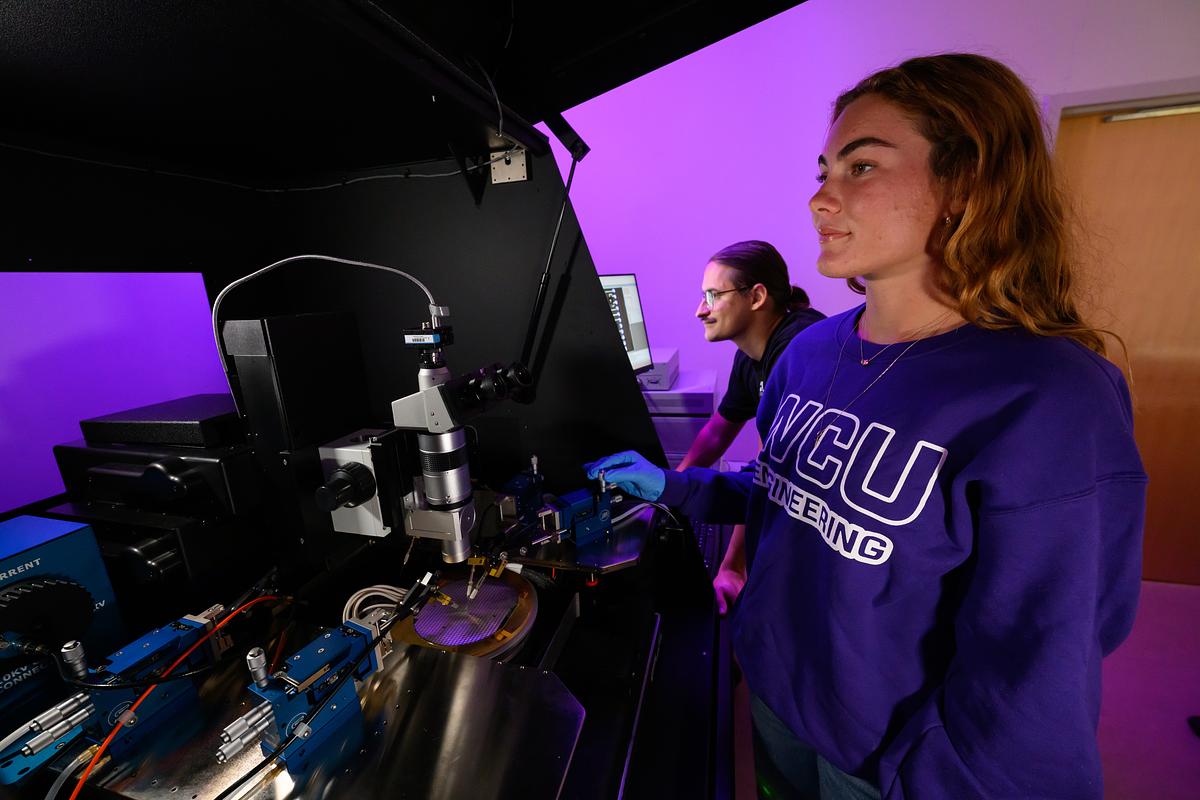
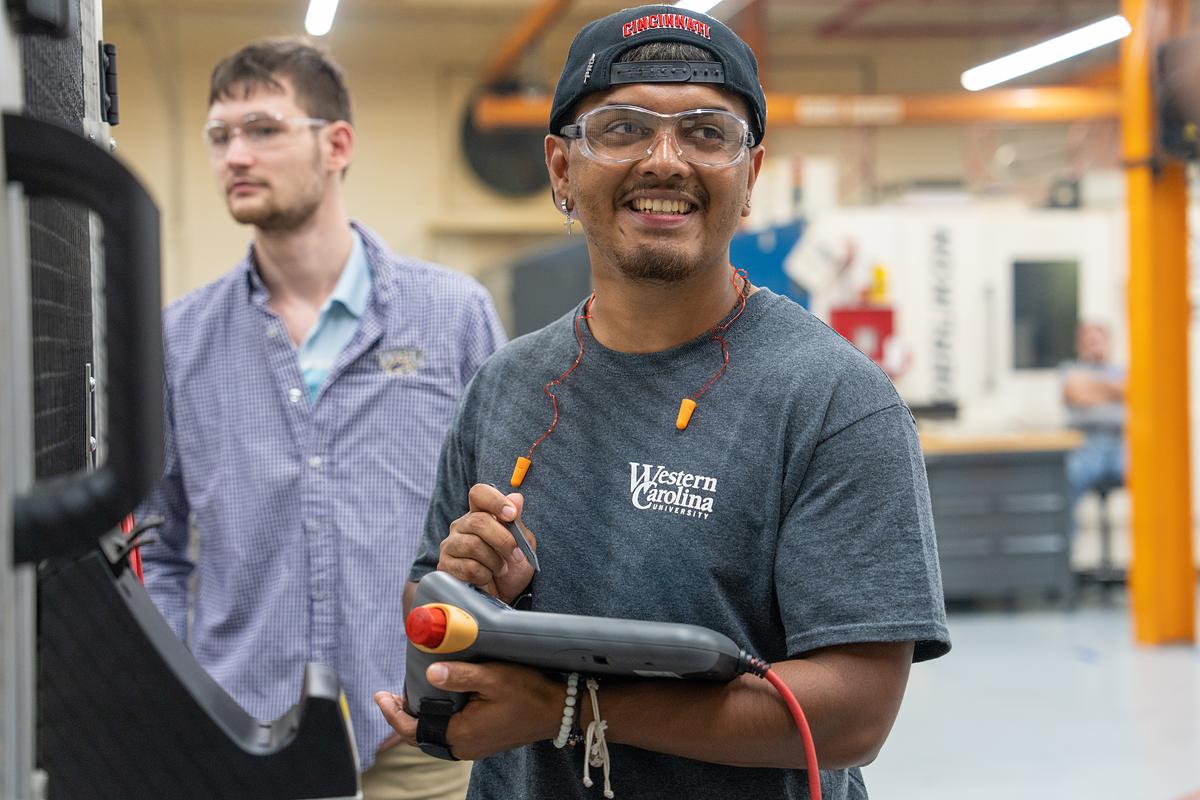
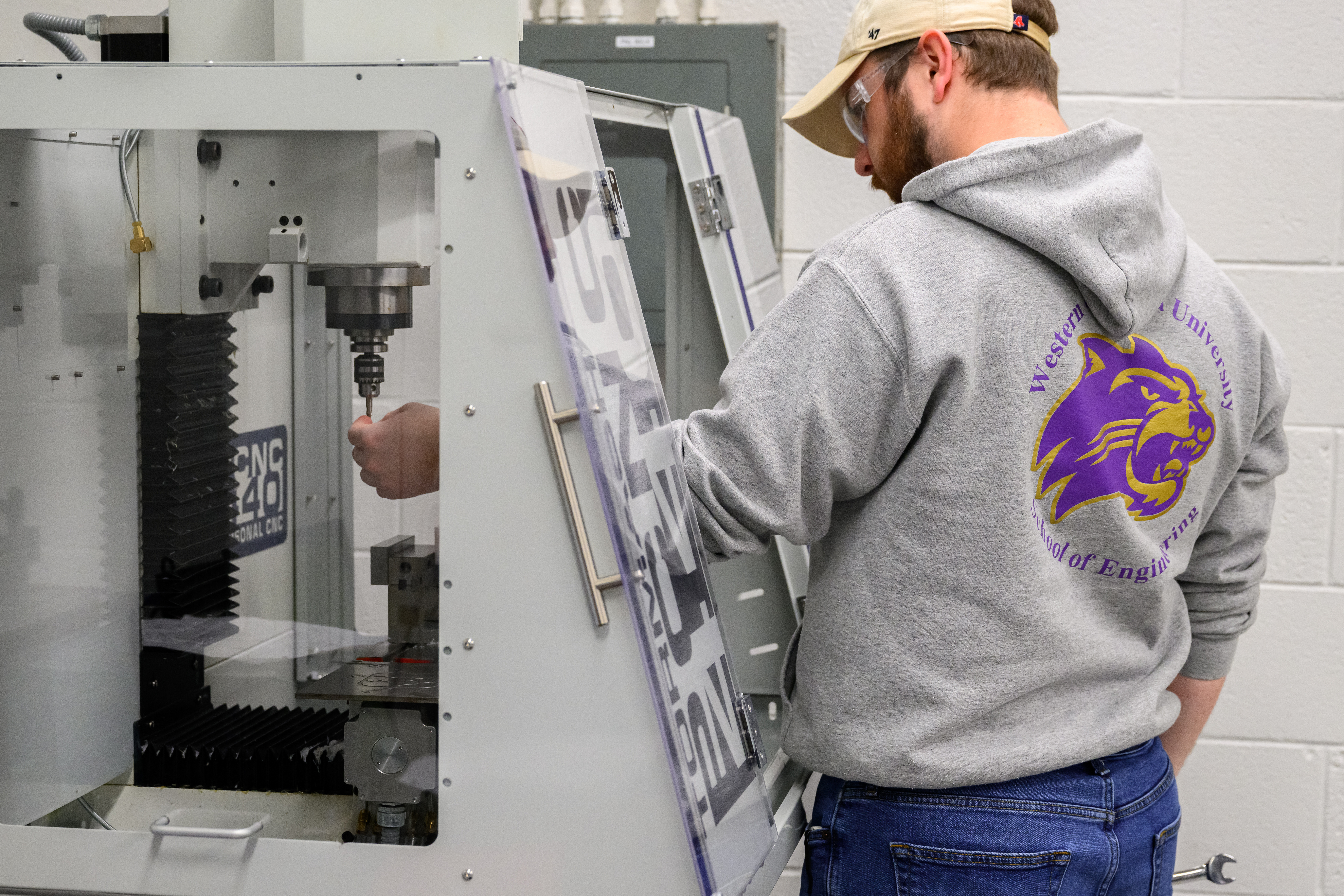
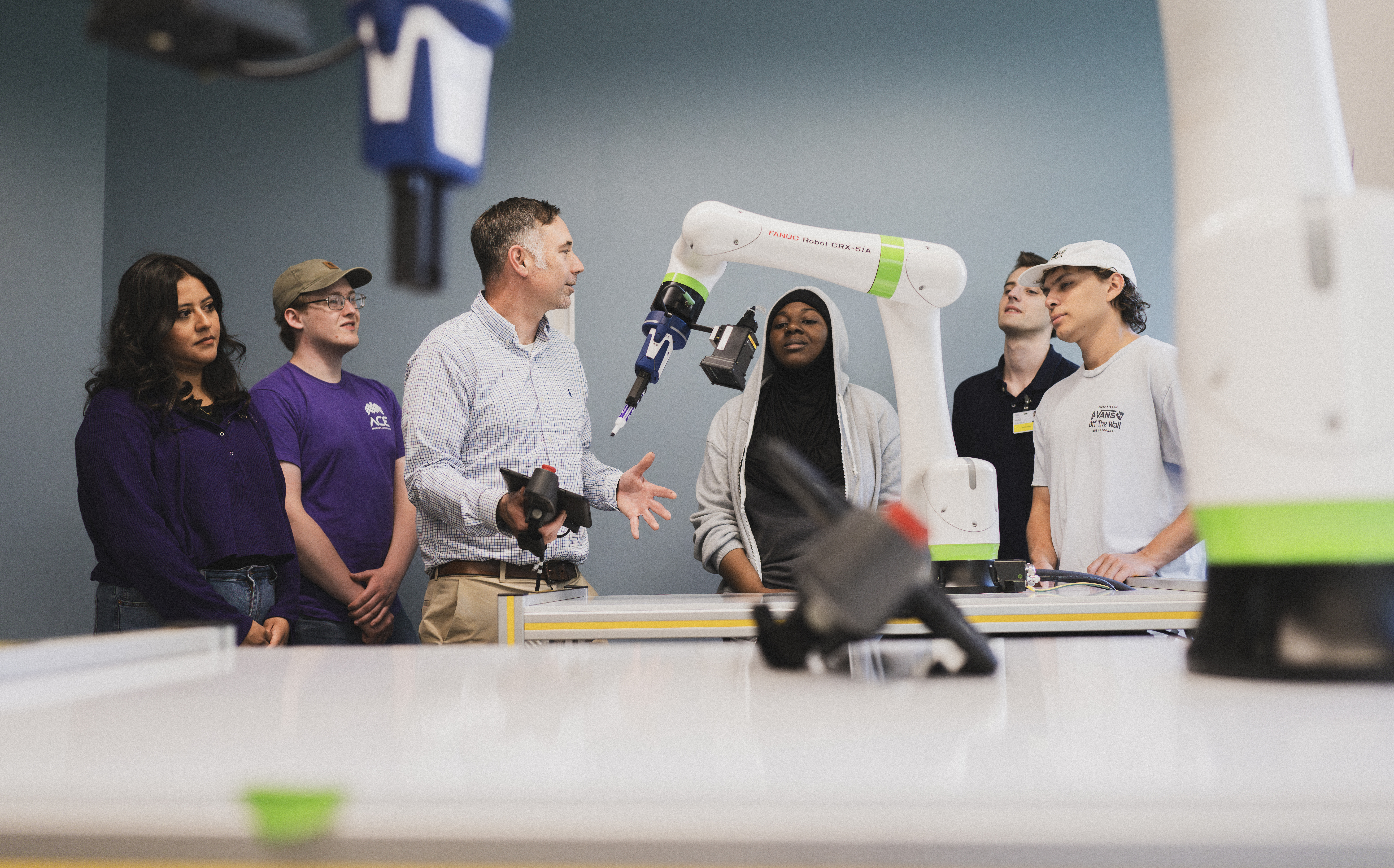
As part of the college's focus on project-based learning, students are required to participate in a two-semester senior capstone project. Working under the guidance of faculty and industry mentors, teams of two-to-four seniors tackle complex, real-world challenges proposed by industry sponsors who have been invited by the RAPID Center.
Working with course instructors, a faculty mentor, and a mentor selected by the project sponsor, teams will use a multidisciplinary approach including electrical engineering, electrical and computer engineering technology and engineering technology. To simulate a real work environment, teams use a stage/gate process, progressing from a project proposal to a minimum of three conceptual designs; continuing to a preliminary design review, a critical design review, and fabrication and testing of a prototype or proof of concept; and finishing with a wrap-up of documentation, test results and modifications, if needed, to resolve any issues revealed through testing.
Students gain valuable experience by working on a real industry-sponsored project; analyzing and solving engineering problems; learning teamwork and presentation skills; setting goals, specifying deliverables and meeting deadlines; testing and modifying their work; and achieving measurable results. The proof that students can apply what they are learning will give them a distinct advantage in launching a career or applying for graduate school.
The College of Engineering is unique in making project based learning an integral part of the entire curriculum. From a student's first day on campus, our faculty and staff are committed to providing both instruction in the fundamentals of the courses they teach and guidance in how to apply the fundamentals to solve problems, improve processes and create new knowledge. As a result, our graduates have a distinct advantage, based on the theory they have learned and the experience they have gained, when they go on to advanced studies or begin to work in their chosen careers.
Our students work with other students, faculty and staff, corporate partners and project sponsors to solve problems and find solutions that will have impact. We have undergraduates who are receiving patents and getting their work published in prestigious journals. A significant number of our graduates have gone on to earn prestigious fellowships for study at the masters and Ph.D. levels.
Working before graduation is a great way to earn money and gain experience. Internships are the most popular option. Students work in professional environments with engineers on practical problems. What you gain supports academic studies and professional preparation. Internships involve design, manufacturing, and testing. Internships are offered by many companies across the region, state, and nation. Companies require interns from all programs in the school. Industries include aerospace, automotive, medical, electronics, utilities, and defense agencies.
The department supports students in the internship process. The Project-Based Learning core prepares all students with professional skills for the workplace and technical applications. Regional employers seek students through campus career fairs, college social media, and on-campus recruiting events. The 蘑菇短视频Center for Career and Professional Development provides numerous resources including resume preparation, practice interviews, employment opportunities, and professional practice seminars.
The College of Engineering at 蘑菇短视频 has several student chapters of national engineering societies. Activities include meetings, guest speakers, trips, competitions, service projects, leadership opportunities, scholarships, networking, career guidance and more.
Professional engineering societies can support students while in school and in their future careers. These societies help members stay informed, connected, and growing professionally. They coordinate public outreach, education and service opportunities. Several of the professional societies provide scholarship, internship, and job opportunities for students.
WCU's has student chapters of the following professional engineering societies:
American Society of Mechanical Engineers (ASME)
Catamount Amateur Radio Group (CARGO)
Computer Engineering Club
Construction Management & Engineering Outreach
The Engineers League
Institute of Electrical and Electronics Engineers (IEEE)
National Society of Black Engineers (NSBE)
SAE International (formerly known as Society of Automotive Engineers)
Society of Hispanic Professional Engineers (SHPE)
Society of Manufacturing Engineers (SME)
Society of Women Engineers (SWE)
Undergraduate Research Club (URC)
American Society of Civil Engineers (ASCE)
Construction Management Association of America (CMAA)
Sigma Lambda Chi
Tau Beta Pi
Tau Alpha Pi
