Nature U Workshop Series Register at learn.wcu.edu/natureu

Upcoming Workshops

Basics of Organic Gardening

Febuary 24- March 31, 2026

Course Price: $179

Starting an organic garden can be both fun and rewarding, but sustaining a thriving garden year after year—and harvesting abundant, healthy produce. It takes knowledge and practice. This course is designed to guide you toward long-term gardening success from the ground up.

Throughout the course, we will explore the fundamentals of soil ecology, composting, and soil fertility, as well as how to prepare garden beds and start seeds effectively. Students will learn practical strategies for managing weeds, pests, and plant diseases using sustainable, organic approaches. We will also cover companion planting, the ecological role of flowers and native plants, and how to attract beneficial insects that support a healthy garden ecosystem.

Through a blend of classroom instruction and field visits to local gardens, students will develop both the knowledge and hands-on experience needed to confidently cultivate their own successful organic garden at home.

Basics of Botany & Plant Identification

April 7 - May 12, 2026

Course Price: $179

This classroom based course will provide a foundational study of Plants, including the different types, their parts and the terminology used to describe them, their life cycles, and how to identify them using field guides, botanical keys, and apps. Students will have a foundational understanding of Plants and how to identify them to help prepare them for the return of Spring and Plant growth in Southern Appalachia and beyond. 

Foraging for Food & Medicine

May 26 - June 30, 2026

Course Price: $179

The land around us contains many Plants, Lichen, and Fungi that can be gathered and used to help feed ourselves and help keep us and our families healthy and well. We will spend time in the classroom and in the field learning about the many different edible and medicinal species you can find and forage from the woods. This course will lean strongly on the ethics and rules of foraging to help ensure future harvests, and on safety and proper identification of forest products.

Nature Photography Using Your Smartphone

August 4 - August 11, 2026

This course will start in the field learning how to capture the beauty of Wildflowers on your smartphone and taking pictures along a trail. We will cover the basics of wildflower photography, including some tricks that I use to focus on and get crisp macro-type pictures. We will meet next in the classroom to discuss editing and file management. Come learn how you can make your wildflower pictures better and allow the beauty of nature to shine out through the screen. Participants will be encouraged to take their best photos at one of the regional county fairs.

Composting

August 18 - August 25, 2026

Learn how to turn your food waste into garden gold through the magic of composting. This course will cover many different composting techniques and methods for all situations and locations. Compostable kitchen scraps comprise most of the weight and smell of typical home garbage. By learning to compost, you can not only divert those scraps from the waste stream but also get safe and healthy finished products to use in your gardens and planters. We’ll cover all the what’s, how’s, and whys of Composting. 

Native Plant Gardening Through the Seasons

September 8 - September 29, 2026

Creating a garden that is beautiful and helps to support wildlife diversity takes time and careful planning and uses plants that are native to the bioregion. Even the most carefully designed native plant garden hasn’t come into full growth for at least three years. This class will follow what to expect from a newly established wildflower garden from seed to fruition with each class session focusing on a different season throughout the years. We will cover how to plant and maintain a garden for beauty and ecological function.

Basics of Organic Gardening

October 13 - November 17, 2026

Course Price: $179

Starting an organic garden can be both fun and rewarding, but sustaining a thriving garden year after year—and harvesting abundant, healthy produce. It takes knowledge and practice. This course is designed to guide you toward long-term gardening success from the ground up.

Throughout the course, we will explore the fundamentals of soil ecology, composting, and soil fertility, as well as how to prepare garden beds and start seeds effectively. Students will learn practical strategies for managing weeds, pests, and plant diseases using sustainable, organic approaches. We will also cover companion planting, the ecological role of flowers and native plants, and how to attract beneficial insects that support a healthy garden ecosystem.

Through a blend of classroom instruction and field visits to local gardens, students will develop both the knowledge and hands-on experience needed to confidently cultivate their own successful organic garden at home.

Composting

December 1 - December 8, 2026

Learn how to turn your food waste into garden gold through the magic of composting. This course will cover many different composting techniques and methods for all situations and locations. Compostable kitchen scraps comprise most of the weight and smell of typical home garbage. By learning to compost, you can not only divert those scraps from the waste stream but also get safe and healthy finished products to use in your gardens and planters. We’ll cover all the what’s, how’s, and whys of Composting. 

About the Instructor

Instructor

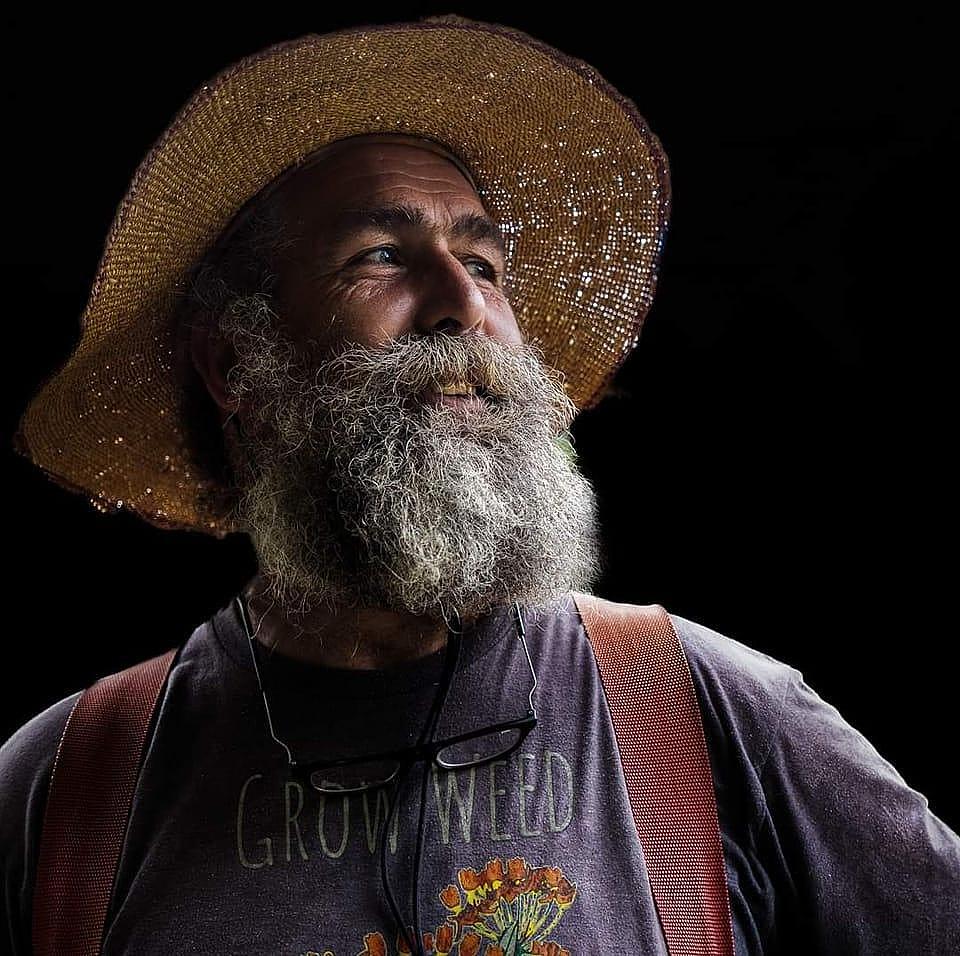
Adam Bigelow is a horticulturist and botanist who lives in Cullowhee, NC, and has been studying the plants and wildflowers of Southern Appalachia for over 20 years. Adam operates Bigelow’s Botanical Excursions, an eco-tour business leading guided plant walks in WNC. He is the author of The Joyful Botanist column for the Smoky Mountain News. An avid organic gardener, he is the founder of the Cullowhee Community Garden. Adam is a member of the planning committee for the Cullowhee Native Plant Conference, among the largest and oldest Native Plant conferences in the country and has attended the conference for many years. Adam lives in Cullowhee at 3,600 ft surrounded by Native Plants and Wildflowers with his cats Hazel Alder, Silky Willow, and Cat Briar.

Supports, Modifications, and/or Accommodations for Participants

All participants are welcome. For questions regarding access and accommodations, please contact Ä¢¹½¶ÌÊÓÆµEducational Outreach at learn@wcu.edu or by phone at 828.227.7397.