Coursework prepares future teachers to assess each student’s abilities and needs,
and then adjust how they teach so that all students learn. Students study child development,
types of exceptionalities and behavioral disorders, methods and materials for teaching
students with mild to moderate disabilities, and how to collaborate with professionals,
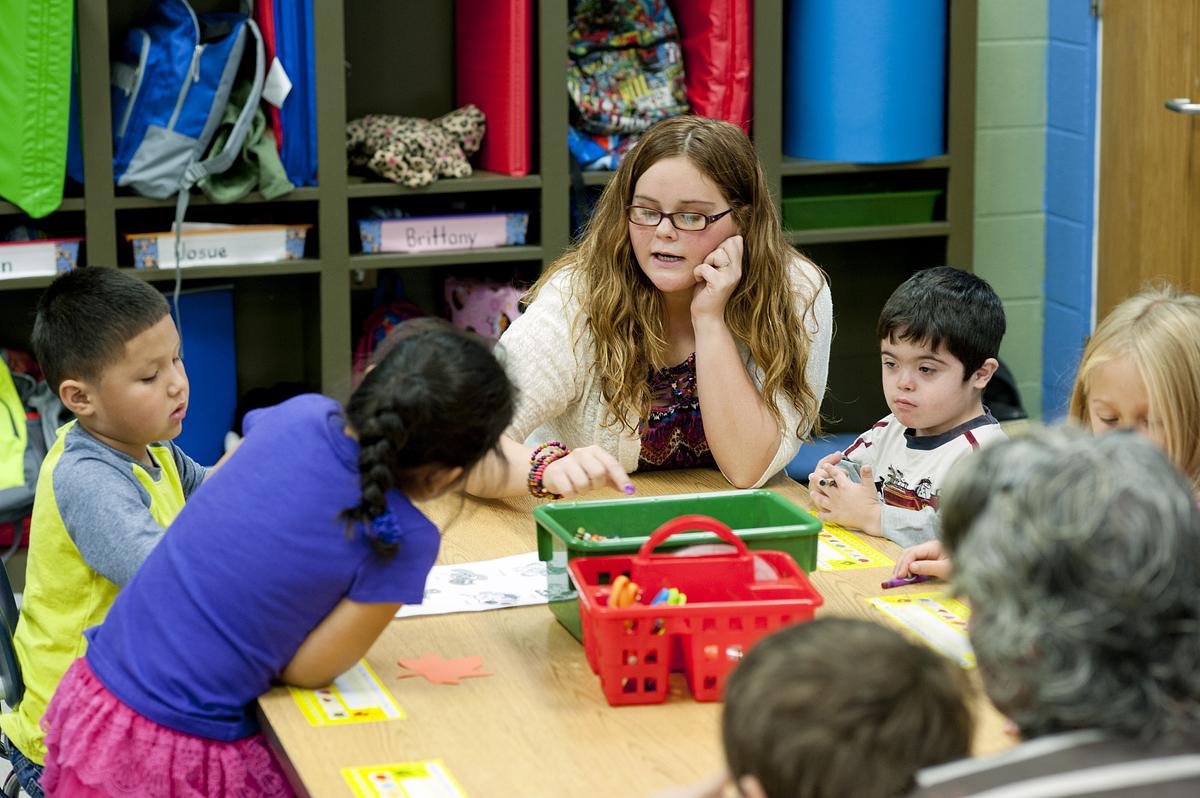
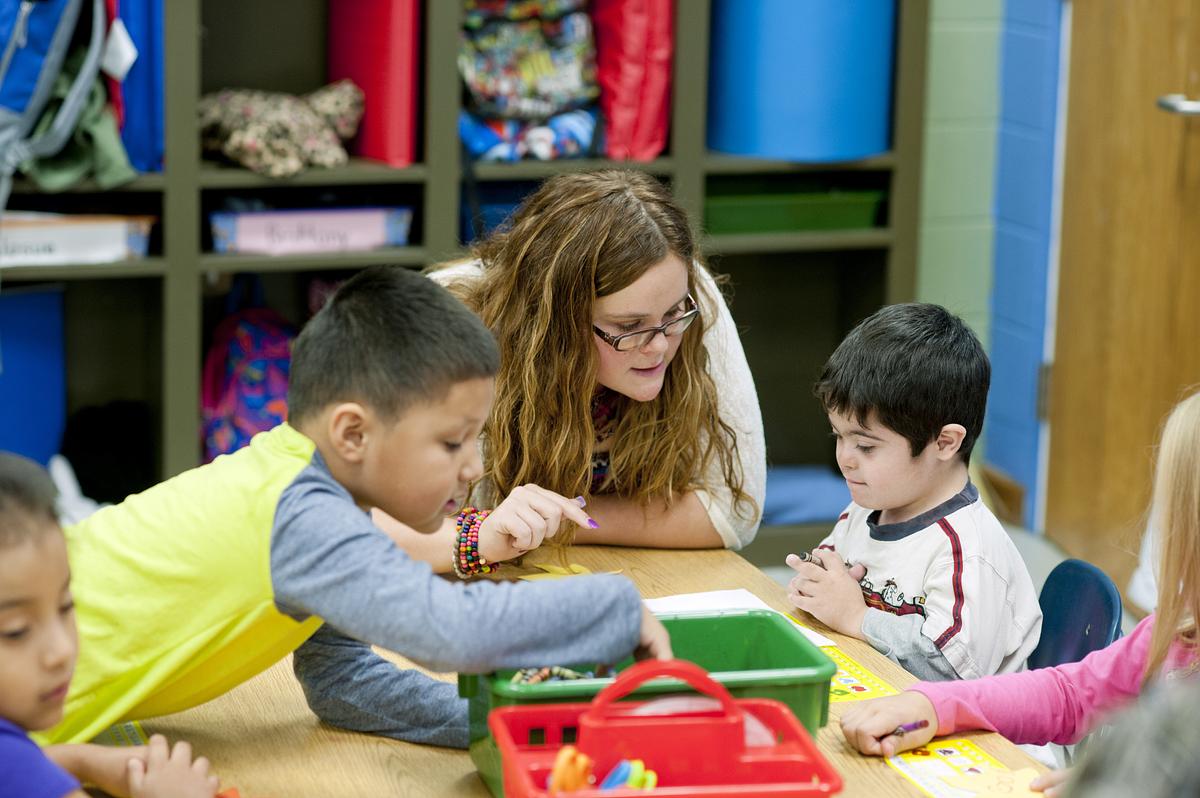
community and families. Students complete 50 hours of service activities such as volunteering
with schools, agencies or community organizations in which they work directly with
people with disabilities or their families. In addition, students work in public school
classrooms with mentorship from dedicated, experienced teachers and guidance from
Ä¢¹½¶ÌÊÓƵfaculty during a year-long internship.
Where You'll Go
Students who complete the Special Education and Inclusive Learning program are recommended
for North Carolina initial teaching licensure in Special Education: General Curriculum
for kindergarten through twelfth grade. Based on their chosen concentration, students
could be eligible for additional teaching licenses with successful completion of the
required licensure exams. North Carolina’s more than 2,500 public schools hire special
education teachers, and charter schools and private schools also may employ graduates.
Some students also go to graduate school. WCU’s Master of Arts in Education program
enables students to earn advanced licensure in Gifted, Creative, and Innovative Education,
Mild to Moderate Disabilities, or Severe/Profound Disabilities.
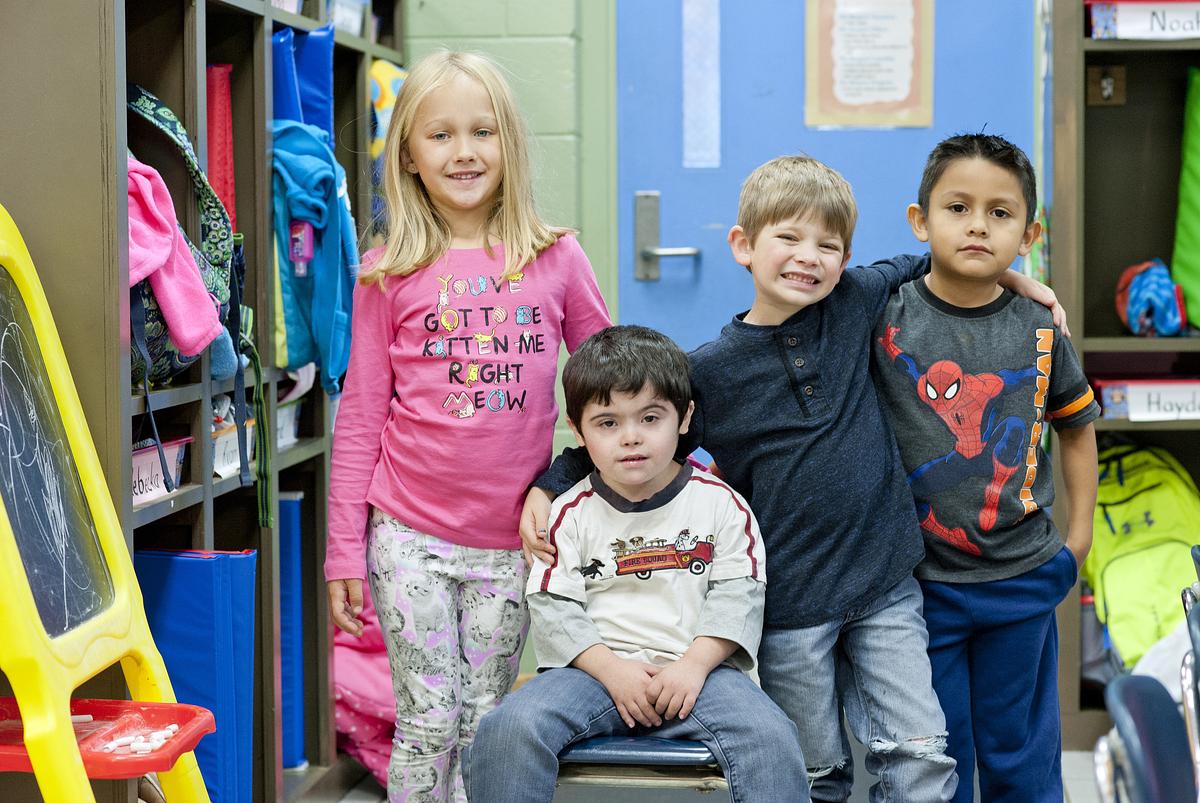
In WCU’s Special Education and Inclusive Learning program, aspiring teachers interested
in special education acquire the knowledge and experience to differentiate instruction
and manage classrooms of students who have a broad range of abilities and needs. Part
of WCU’s nationally award-winning School of Teaching and Learning, the program prepares
future teachers to help students master the special education general curriculum,
which prepares them to work with K-12 students with mild to moderate disabilities.
Additionally, candidates will choose a concentration in K-12 special education adapted
curriculum, K-12 gifted and creative education, K-6 elementary education, or secondary
transition to complement their knowledge foundation. Ä¢¹½¶ÌÊÓƵvalues inclusion and hosts
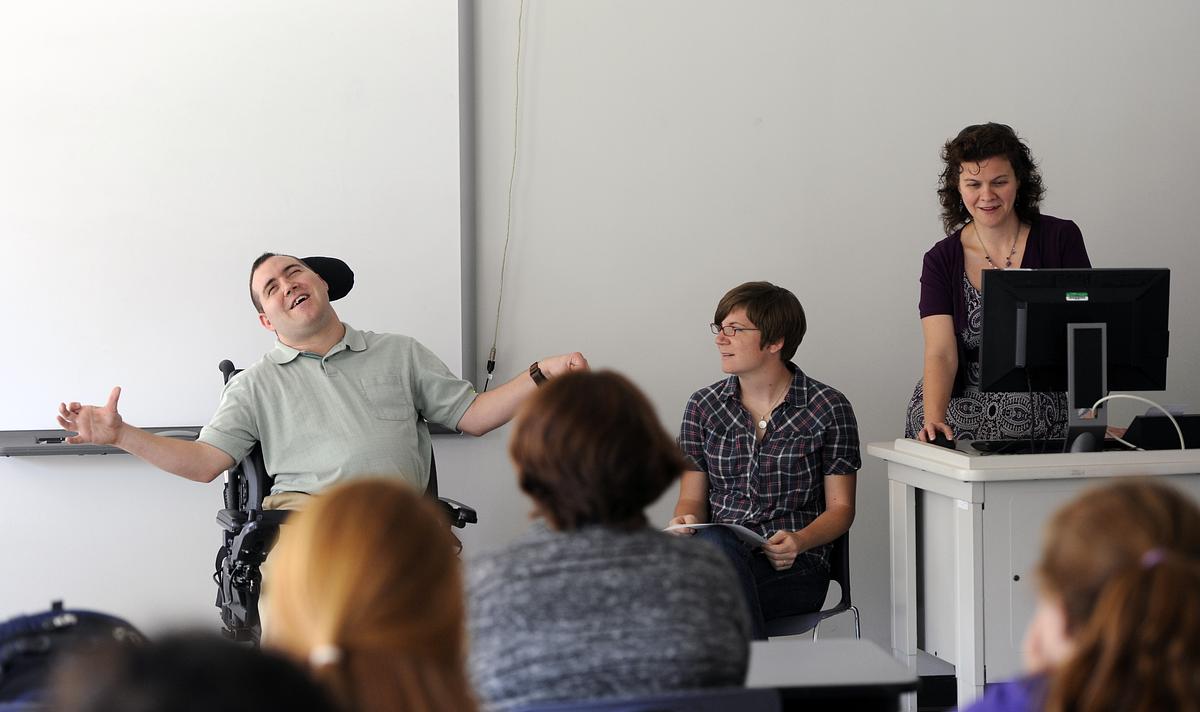
the University Participant (UP) Program, an on-campus living and learning experience
for college-aged people with intellectual disabilities. The UP Program is the first
accredited inclusive post-secondary program in the country. Learn more by visiting
the College of Education and Allied Professions and explore all available programs.
Degree Options
School
College of Education & Allied Professions, School of Teaching & Learning
Location
Cullowhee Campus
Length
Full-Time
Time to Complete:
4 Year Average
Credits:
120–126 credit hours (liberal studies + professional education sequence + major +
concentration courses)
App Deadline:
Admission via general Ä¢¹½¶ÌÊÓƵundergraduate enrollment + admission to Teacher Education
Program (application after early prerequisite courses)
More About Our B.S.Ed. in Inclusive Education (Special Education & Inclusive Learning)
WCU’s B.S.Ed. in Inclusive Education prepares students to become caring, skilled,
and effective special-education teachers for K–12 schools. The program blends foundational
coursework in human development and educational psychology with specialized studies
in inclusive practices, behavior support, differentiated instruction, and curriculum
adaptation. Practical experience is built in through service-learning, field placements,
and a full-year student-teaching internship.
Students may choose among several concentrations — such as Gifted & Creative, Adapted
Curriculum, Elementary (K–6), or Transition Services — allowing them to tailor their
path to their interests and career goals. Graduates earn a B.S.Ed. degree and are
recommended for state licensure, positioning them to support diverse learners in public,
private, or community-based educational settings.
Students in the program learn how to assess individual learning profiles, design adaptive
instruction, support social-emotional growth, and manage inclusive or specialized
classrooms. By combining theoretical understanding with practical skills, graduates
are equipped to meet the needs of learners across a wide spectrum of abilities.
The program's structure ensures that from foundational coursework through supervised
internships, students build competence in instructional methods, assessment, behavioral
supports, and inclusive practices.
Thanks to its emphasis on inclusive practice, real-world training, and flexible concentrations,
the SEIL program empowers graduates to make a positive difference in the lives of
individuals with exceptionalities.
What’s Happening
SEP
10
SEP
10
SEP
10
Related Programs
Explore our related programs until you find the one that’s right for you.