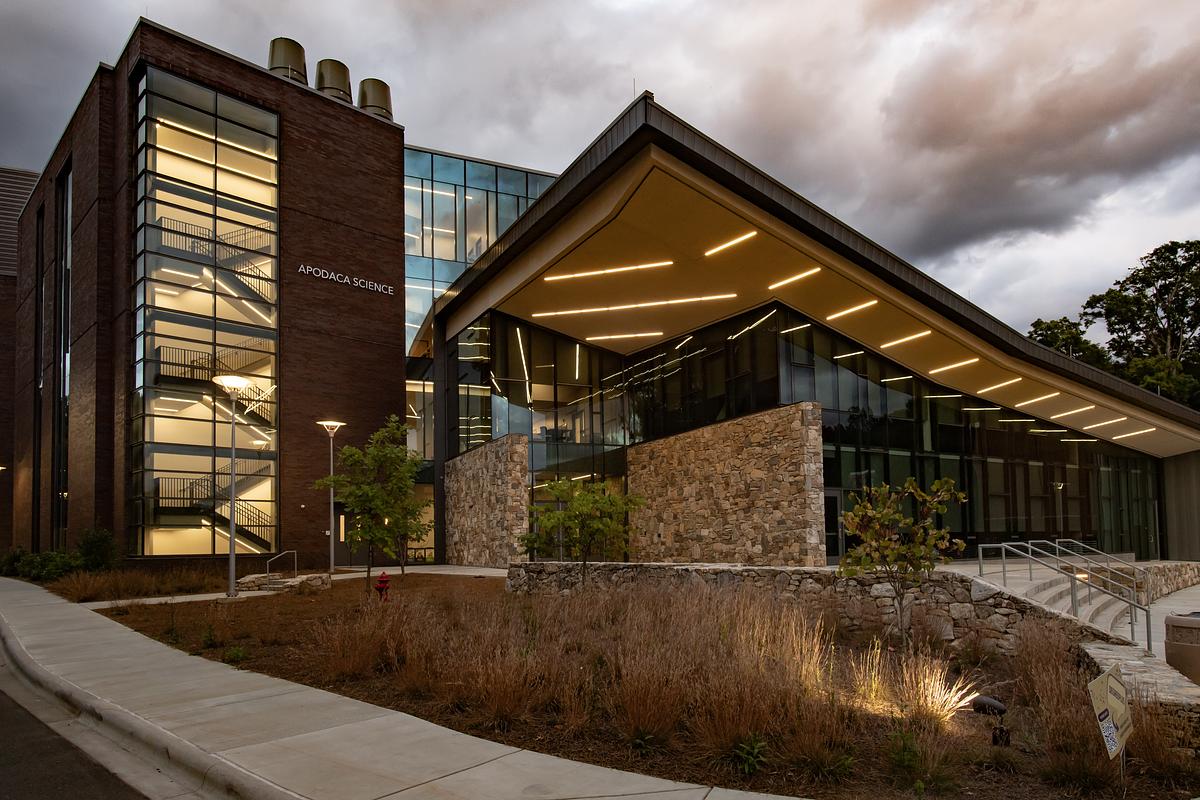
Biology Research and Facilities
Take the first steps to realizing your own research.
Check out our faculty members' research areas, the facilities that we host, and other nearby sites available for research opportunities.
Faculty Research Specialties
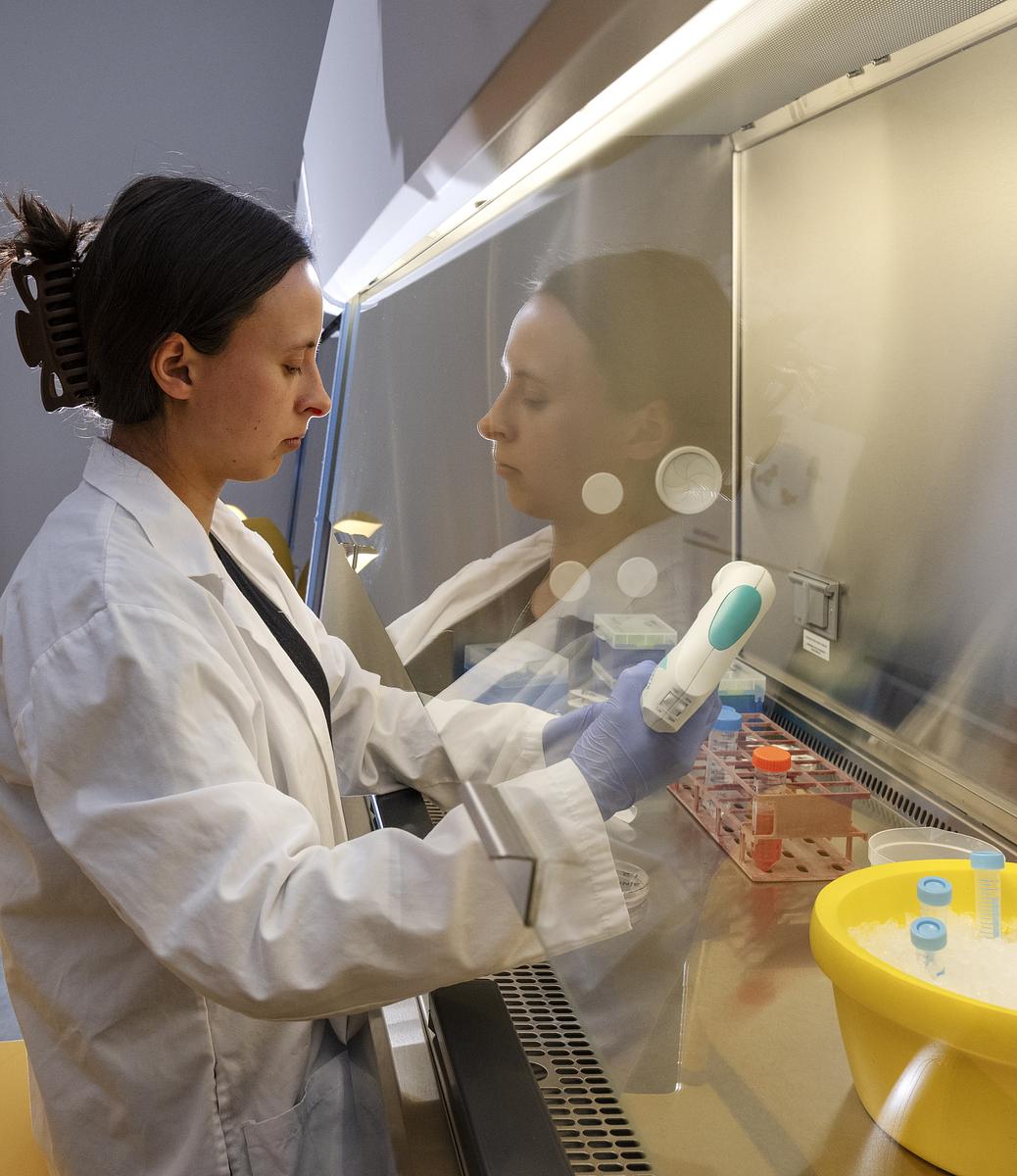
- Use of genomics to clarify gene structure and regulation (Dr. Indi Bose)
- Regenerative medicine and genetics related to diseases of bones and joints (Dr. Heather Coan)
- Regulation of enzymes (Dr. Amanda Storm)
- Drosophila biologist, Genetics, Molecular Biology, Nutritional control of stem cells in fly ovaries (Dr. Subhshri Sahu)
- Plant鈥搈icrobe interactions (Dr. Andr茅 C. Vel谩squez Landmann)
- Interactions between arboviruses and host cells (Dr. Megan Vogt)
- Protein dynamics associated with Cystic Fibrosis (Dr. Bob Youker)
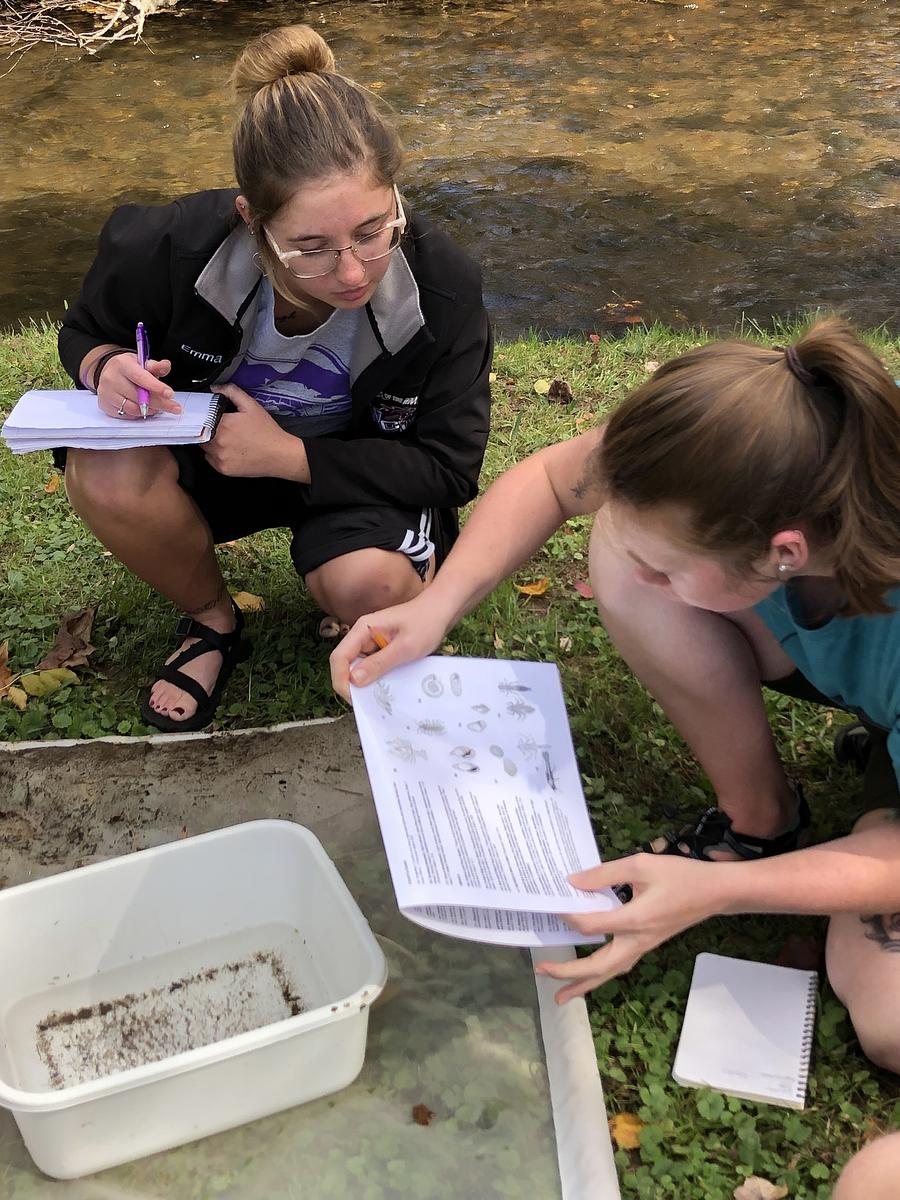
- Phenotypic variation and population divergence in animals, primarily birds (Dr. Barbara Ballentine)
- Insect behavior and ecology; Conservation; History of evolutionary biology (Dr. James Costa)
- Floral trait evolution (Dr. Jacob Heiling)
- Communication and social interactions in territorial animals (Dr. Jeremy Hyman)
- Evolutionary morphology and ecology of fishes (Dr. Olivier Larouche)
- Diversity, ecology, and evolution of insects (Dr. Luiz Lima Da Silveira)
- Plant systematics (Dr. Kathy Mathews)
- Diversity of bacteria and archaea in nature (Dr. Sean O'Connell)
- Conservation ecology of amphibians (Dr. Joseph Pechmann)
Campus Facilities
Biology Department facilities available to undergraduate and graduate students on main campus:
- Mammalian cell culture facility
- Forensic Science lab
- 3130 Applied Biosystems Genetic Analyzer Capillary Sequencer
- Applied Biosystems 7500 RT-PCR machine
- EVOS FL Auto Widefield microscope
- Nikon confocal microscope
- Leica Stellaris 5 confocal microscope
- Nikon widefield fluorescence microscope
- LiCor 6400 Portable Photosynthesis System
- LiCor 8100 Soil CO2 Flux System
- Scholander xylem pressure chamber
- Aquatic research facility equipped for live animal studies
Featuring scientific research and teaching collections, CatColl includes an Herbarium
of pressed plant specimens mainly from the Southern Appalachians, Arthropods, focusing
on spiders, fireflies and mosquitos, and Vertebrates, including regional bird and
mammal skeletons and study skins, as well as a mammalian hair collection.
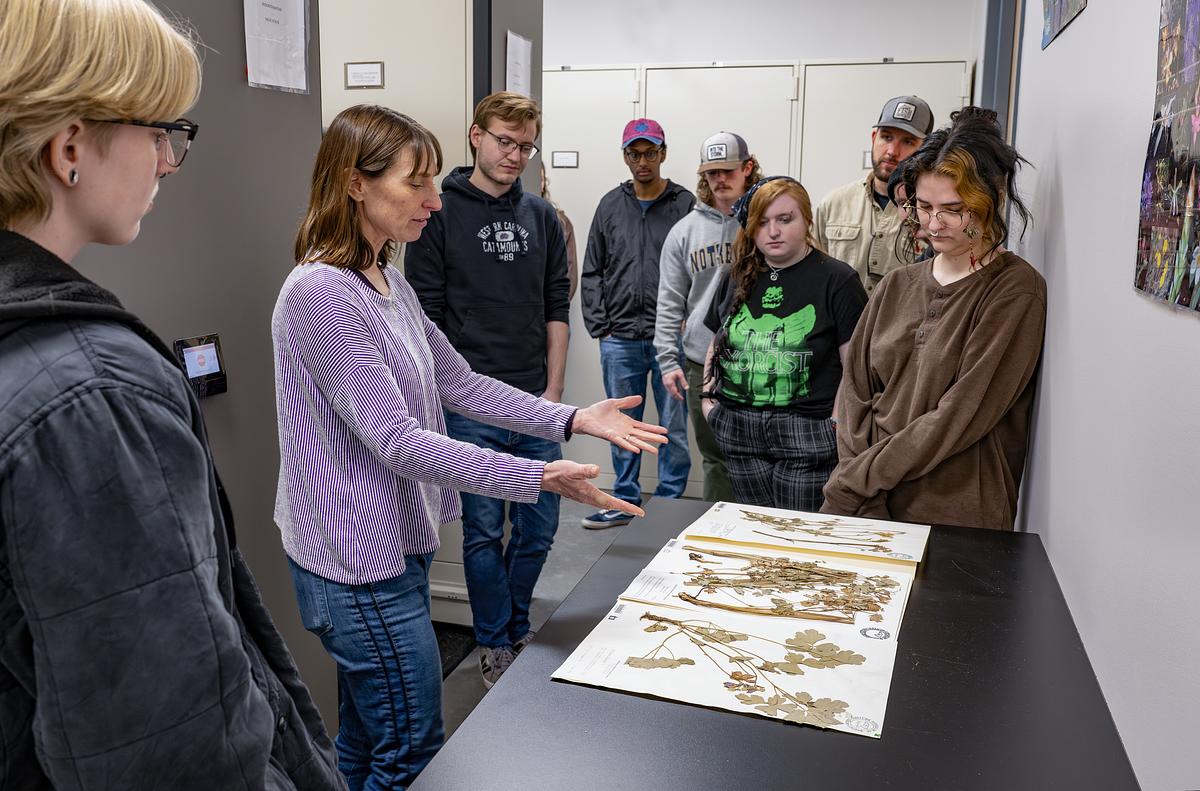
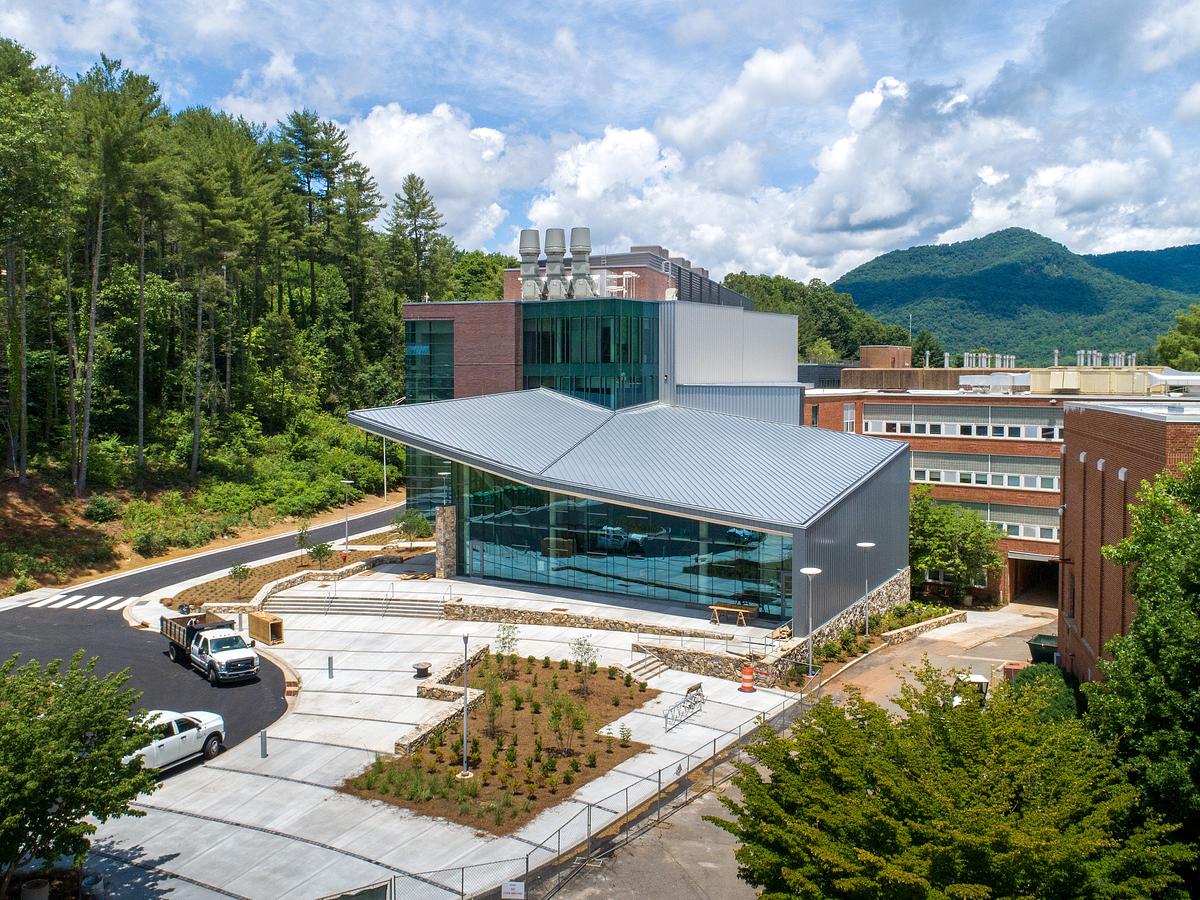
Housed on Apodaca Science Building's 5th floor, the Herbarium maintains a collection
of some 32,000 plant specimens across 4,400 species primarily from the Southern Appalachian
mountains. A testament to past and present plant diversity, the core collection and
the Herbarium itself was established in 1953, and today, graduate students who specialize
in plant systematics continue to contribute to the Herbarium's collection with their
research.
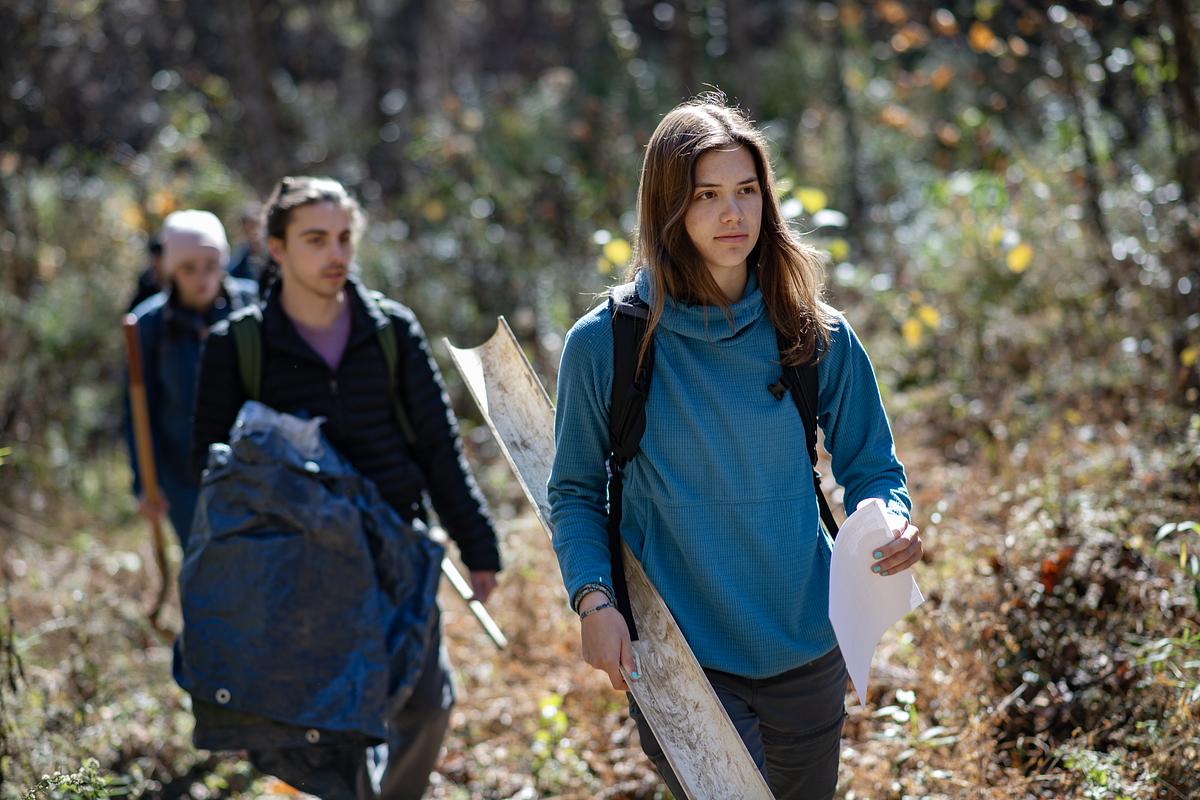
Located on WCU's West Campus and falling under the purview of the Geosciences and
Natural Resources Department, the WCHRS examines water movement in the Southern Appalacian
mountain environment. While geared toward hydrology, the research station is also
available for biological research purposes.
Off-Campus Options: International Biosphere Reserves, National Parks, National Forests
Graduate students may become involved in research projects in Great Smoky Mountains
National Park and the Coweeta Hydrologic Laboratory, both of which are International
Biosphere Reserves. Research opportunities also are available in the Blue Ridge Parkway
National Park and in Nantahala and Pisgah National Forests.
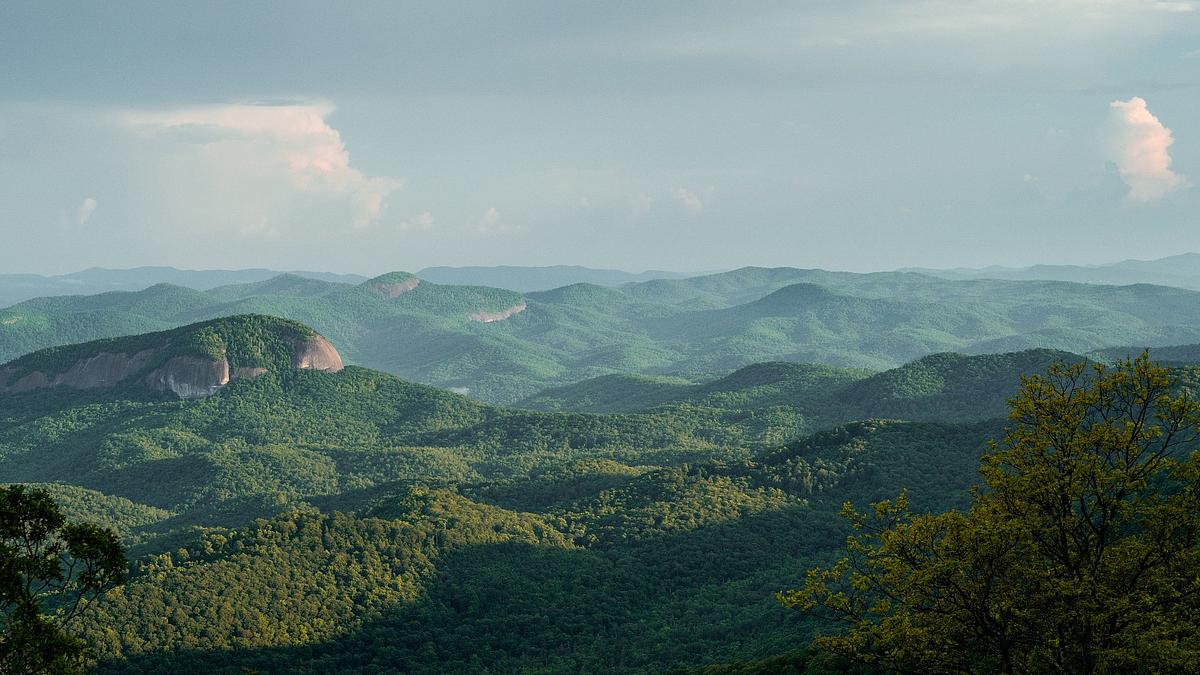
Highlands Biological Station provides graduate students and senior scientists from throughout the United States with research and specialty course opportunities on Southern Appalachian biota. Research funds and logistical support are available for qualified graduate students. The station is located 50 minutes from campus.
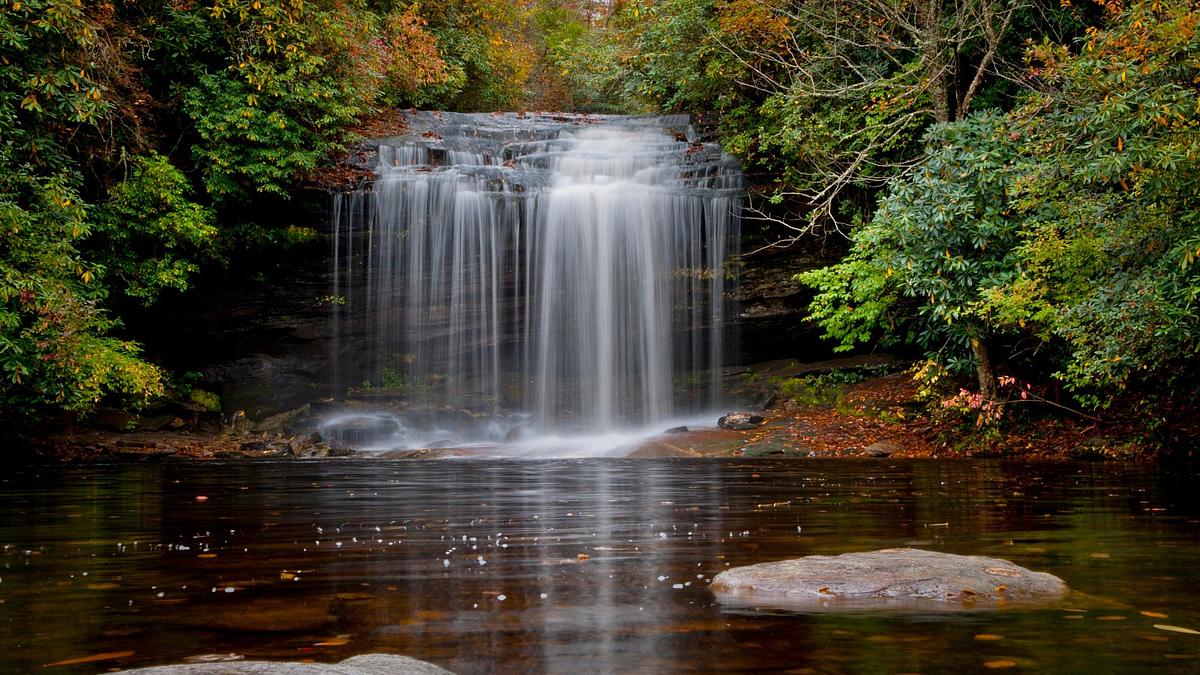
This research unit of the International Biological Reserve has been established and
well known for its watershed research for over half a century. It is one of a few
long term ecological research stations in the country. Cooperative research projects
are encouraged by the permanent research staff as well as other universities working
at the station.
